
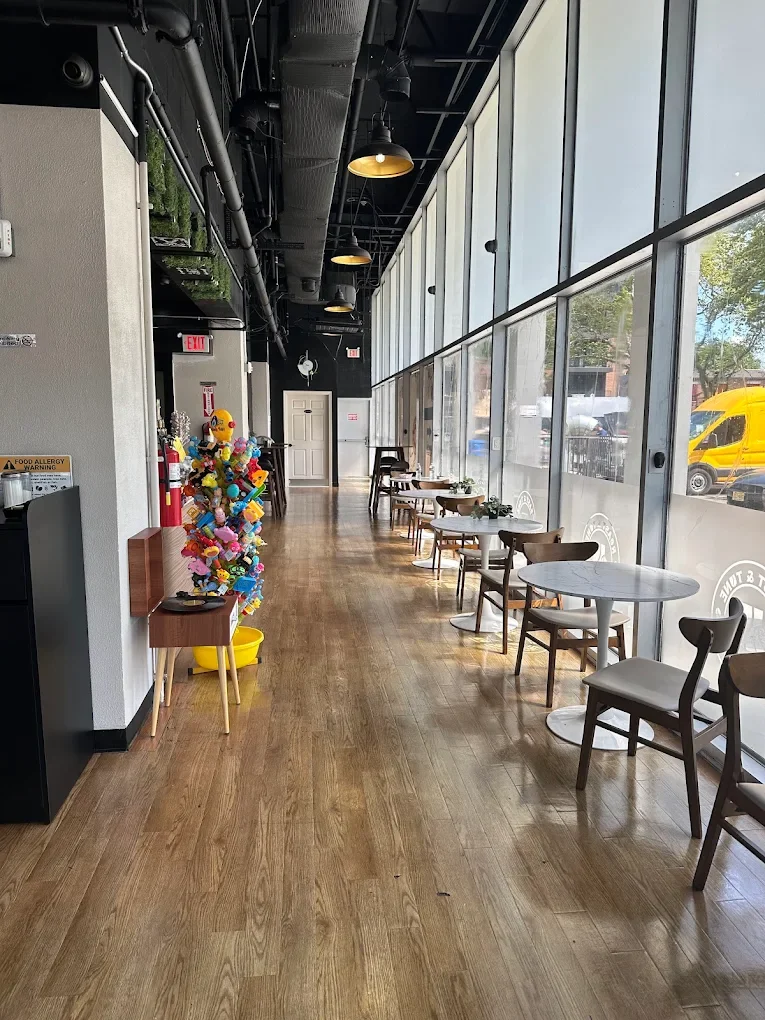
If you ask Kehetrin Alpar what success looks like, she won’t talk about flashy growth or overnight wins. For her, success is simple—and deeply earned.
“Being able to open the doors again tomorrow,” she says. “That’s success.”
At 36 years old, Alpar owns Roast & Tune coffee shop along with two other locations that also serve coffee, working with two business partners along the way. Her path to entrepreneurship hasn’t been linear, easy, or glamorous—but it has been honest, relentless, and rooted in people.
Finding Home Far From Home
Alpar moved from Turkey to the United States when she was just eight years old. New Jersey quickly became home, specifically New Milford, where she grew up, went to school, and still maintains strong ties today.
“Turkey is beautiful,” she says. “But this is home.”
College was never part of the plan. She tried it for one day.
“That was enough for me,” she laughs.
Instead, she leaned into what she already felt in her gut: she needed to build something of her own.

Learning the Hard Way—Early
Alpar opened her first business at 18. It didn’t last.
“That one didn’t go so well,” she admits. “But it was a learning process.”
Coming from a family in the jewelry business, she tried to follow that path, then pivoted to opening a boutique gown shop. After about a year and a half, she closed it too.
“My heart just wasn’t in it,” she says. “If you don’t have that, it won’t work.”
The real turning point came when she managed a Mediterranean restaurant.
“That’s when I realized I love the busyness. I love interacting with people,” she says. “That’s when it clicked.”
Coffee Wasn’t the Plan—Until It Was
Interestingly, the coffee shop came almost by accident.
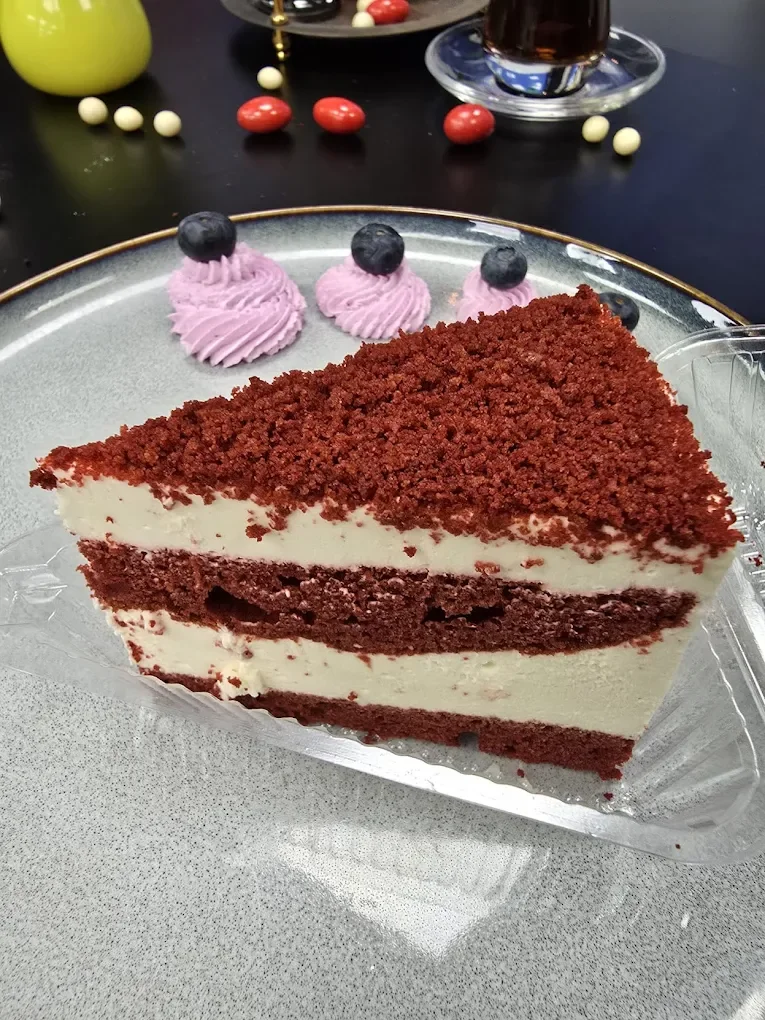
The business began as a Mediterranean bakery in Cliffside Park, serving coffee alongside baked goods. Later came a manufacturing location in New Milford. Then, after purchasing a deli market in Fort Lee, an unexpected opportunity arose: a corner space in a residential building in the city of Newark.
“The owner of the building asked the former renters if they knew anyone who wanted to open a coffee shop here,” Alpar explains. “They mentioned us—and that’s how it started.”
Opening this location meant starting from zero. No shortcuts. No existing infrastructure.
“Permits, fire department, health department, architectural drawings—it took six months,” she says. “At one point, I really thought I couldn’t do it anymore.”
What kept her going was support from her friends and family—and the belief that it would be worth it.
“It turned out better than I thought,” she says.
A Place Where Everyone Belongs
“Everyone is welcome,” she says. “Your clothes don’t matter. Where you’re from doesn’t matter.”
For her, coffee shops are rare neutral spaces—places where people from different backgrounds can exist together without judgment.
“I want people to feel like this is their place,” she says. “Their second home.”
The Work You Don’t See
Running a coffee shop, especially one you own, is relentless.
“The hours are long,” Alpar says. “You wake up early, work late—and even when you’re closed, you’re not done.”
Baked goods expire quickly, supplies run out unexpectedly, employees call out, and milk needs to be picked up. And often, the owners step in themselves.
“No one cares as you do,” she says. “That’s why we work most of the time ourselves.”
Staffing, paperwork, finances, and day-to-day operations all overlap. There’s no off switch.
“Even on vacation, your phone is on,” she says. “Your mind is always there.”
Lessons Earned, Not Taught
If she could do one thing differently? “I would never open a business from scratch again,” she says honestly. “Next time, I’d buy something existing and grow it.”
Starting from zero took more time, more money, and more energy than expected. Costs kept rising, and timelines stretched.
“That’s something I learned the hard way,” she says. Still, she doesn’t regret it.
Values That Shape Every Cup
Alpar runs her business by one guiding principle:
“I don’t serve anyone something I wouldn’t want to be served myself.”
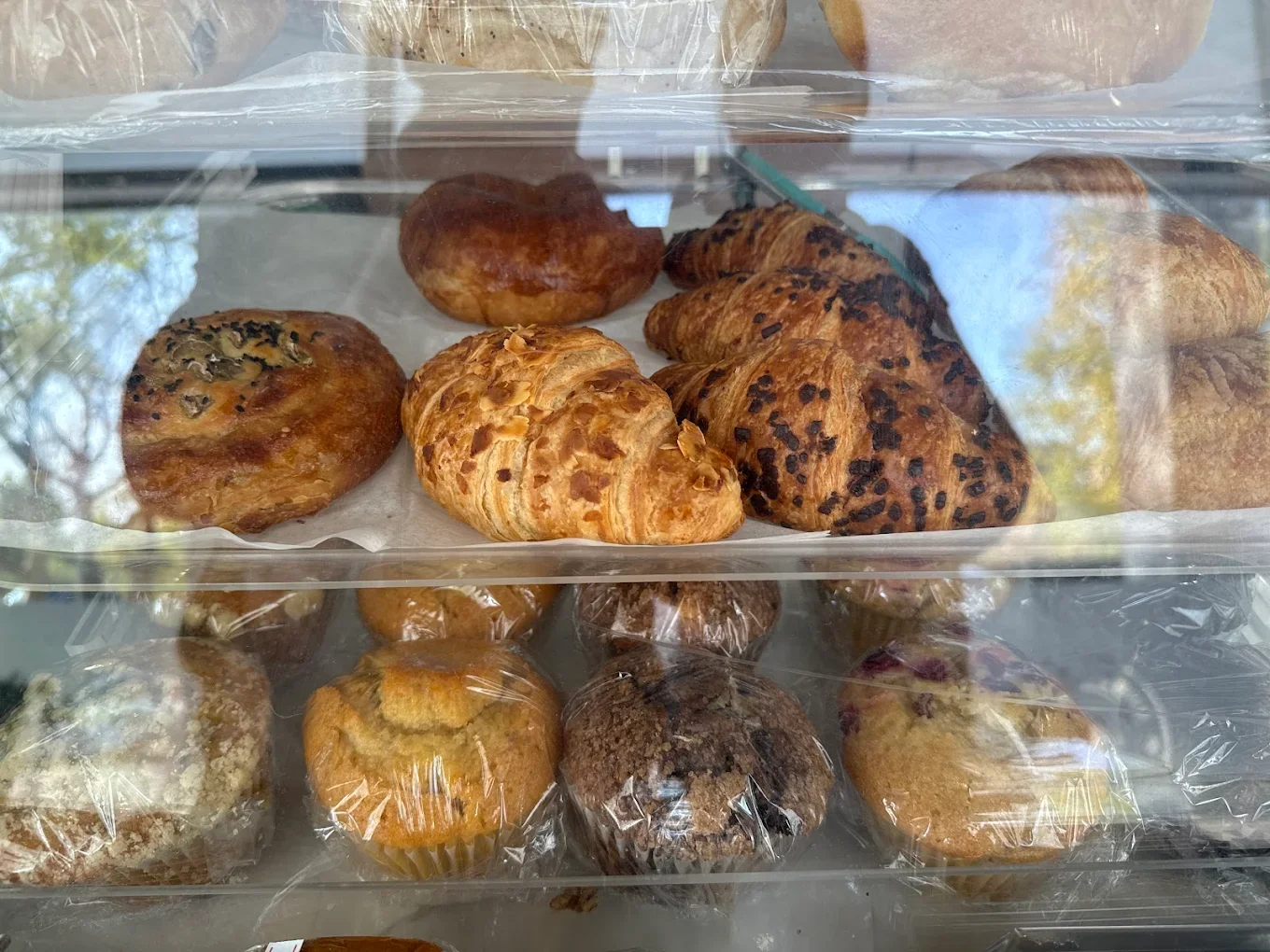
That philosophy shows up everywhere—from pastries baked fresh daily to coffee that’s roasted weekly and clearly labeled by date.
“It doesn’t sit on a shelf for a year,” she says. “It’s as fresh as coffee can be.”
Preservatives are avoided, and quality comes first. Even sustainability and ethical sourcing come back to the same idea: treat people the way you want to be treated.
“The customer is the boss,” she says. “But we don’t tolerate disrespect. No one should.”
Small Wins, Real Growth
For Alpar, success isn’t about perfection—it’s about endurance.
“Not going bankrupt is success right now,” she says with a smile.
From one location to three interconnected businesses, growth has happened steadily, not loudly.
“If we’re still here tomorrow,” she says, “that’s a win.”
What’s Next
Right now, the focus is on stability. New breakfast items have been added, and hot food is part of the long-term vision—but only when the timing is right.
“We want to do things properly,” Alpar says. “With the economy the way it is, you have to be careful.”
Customers can expect small changes, new items, and thoughtful additions—never rushed.
Gratitude, First and Always
As Newark continues to grow and change, Alpar is grateful to be part of it.
“Our customers have been incredibly supportive,” she says. “Being here, staying here—that means everything.”
For a shop built on long hours, fresh coffee, and the belief that everyone deserves a place to belong, that support makes all the difference.
